Article: Proper Wine Storage in a Hot and Humid Country like Singapore
Proper Wine Storage in a Hot and Humid Country like Singapore
Singapore’s tropical climate, characterized by high humidity and consistently warm temperatures, poses unique challenges for wine storage. Proper storage is essential to maintain the quality and aging potential of wine. Inadequate storage conditions can accelerate spoilage, compromise flavor profiles, and diminish the overall wine experience.
Below, we explore effective strategies for storing wine in Singapore and analyze the pros and cons of storing wine on its side versus upright.
Optimal Storage Conditions for Wine
1. Temperature Control
-
Ideal Temperature: Wine is best stored between 10°C to 15°C. Fluctuations beyond this range can disrupt the chemical balance of the wine, leading to spoilage.
-
Cooling Solutions: In Singapore, where ambient temperatures average 26°C to 32°C, investing in a wine refrigerator or temperature-controlled wine cellar is essential.
2. Humidity Management
-
Ideal Humidity: 50% to 80% is optimal. High humidity can damage labels and encourage mold, while low humidity may cause corks to dry out.
-
Humidity Control: Wine fridges often include humidity regulation. For cellars, consider a humidifier or silica gel packs.
3. Light Exposure
-
Avoid UV Light: UV rays degrade wine quality. Use dark storage spaces or wine fridges with UV-resistant doors.
4. Vibration
-
Minimize Movement: Especially in aged bottles, vibration disturbs sediment and accelerates aging.
5. Ventilation
-
Good Airflow: Prevents odor buildup and mold risk.
6. Bottle Positioning
-
Orientation Matters: Whether stored on the side or upright, positioning affects long-term preservation.
Should You Store Wine Bottles on Their Side or Upright?
Storing Wine on Its Side
Advantages:
-
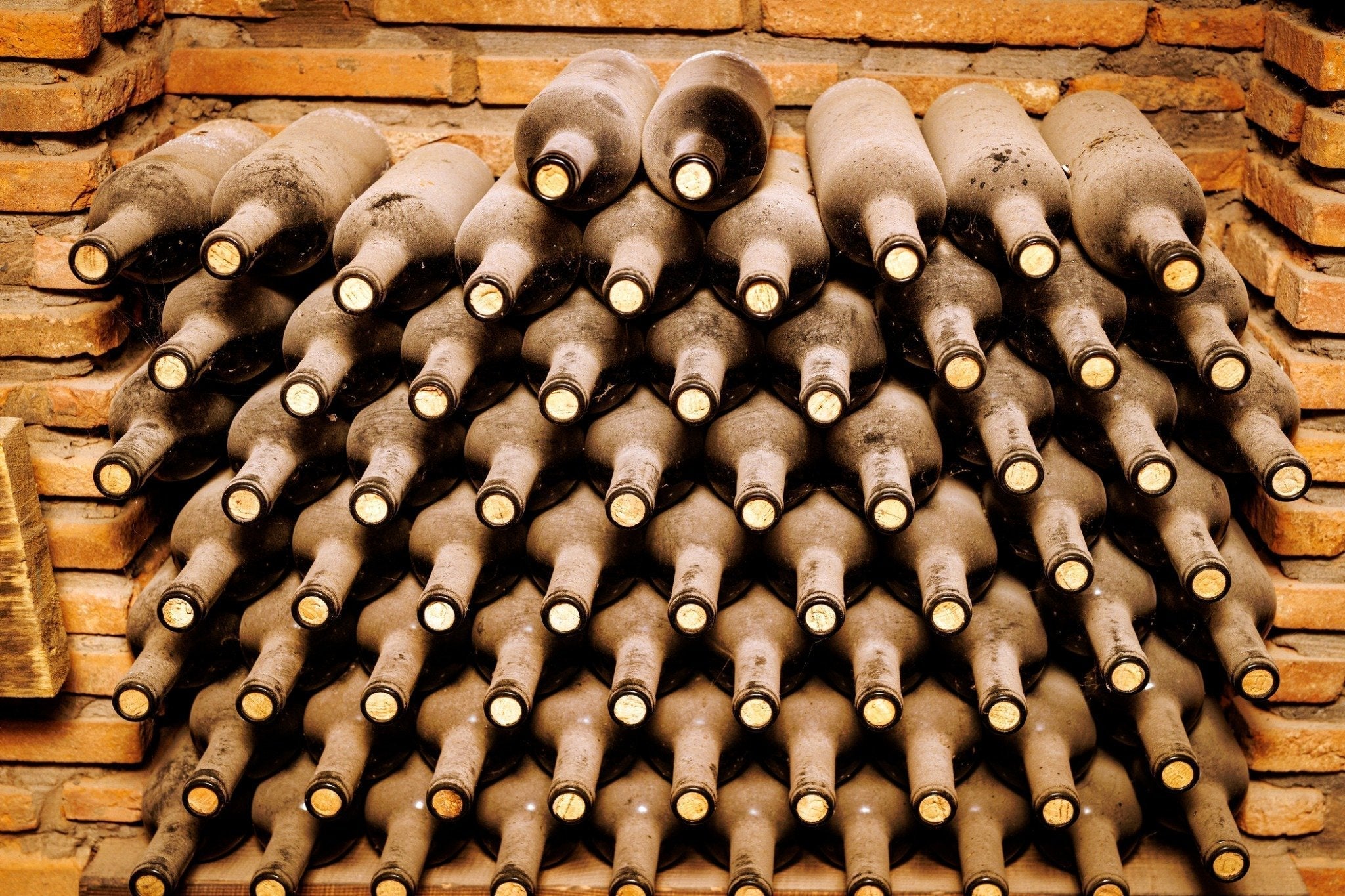
Cork Moisture Maintenance: Keeps the cork wet, preventing shrinkage and oxidation.
-
Efficient Space Utilization: Horizontal storage allows easy stacking and is space-saving.
-
Long-Term Aging: Recommended for wines that need years to mature.
Disadvantages:
-
Risk of Cork Contamination: Long wine-cork contact increases the chance of cork taint.
-
Sediment Movement: Sediment may coat the bottle's side, requiring careful decanting.
-
Not Ideal for Screw Caps or Synthetic Corks: These closures don’t benefit from side storage.
Storing Wine Upright
Advantages:
-
Convenience: Easier to handle and identify.
-
Suitable for Short-Term Storage: Ideal for consumption within 6–12 months.
-
Label Preservation: Labels are less likely to get damaged.
Disadvantages:
-
Cork Drying Risk: Especially indoors with AC, corks may dry out quicker.
-
Less Space Efficient: Upright storage consumes more vertical space.
-
Incompatibility with Long-Term Aging: Greater risk of oxidation over time.
Practical Recommendations for Wine Storage in Singapore
1. Invest in a Wine Refrigerator
-
Offers control over temperature, humidity, and light. Look for adjustable shelving for both upright and horizontal storage.
2. Determine Storage Duration
-
Use upright storage for wines consumed within a year. Use horizontal or off-site solutions for aging.
3. Seal Type Matters
-
Cork-sealed wines: Store horizontally.
-
Screw caps/synthetic corks: Store upright.
4. Hybrid Approach
-
Store short-term wines upright and long-term wines on their side in the same unit.
5. Avoid Overcrowding
-
Allow airflow around bottles, even in wine fridges.
6. Regular Inspections
-
Check for mold, label damage, or cork shrinkage periodically.
Conclusion
In a hot and humid environment like Singapore, proper wine storage requires careful attention to temperature, humidity, and light control.
While horizontal storage is ideal for cork-sealed wines intended for aging, upright storage is convenient for short-term use or bottles with alternative closures.
By aligning your storage approach with wine type, seal, and consumption timeline, you can ensure your collection remains in excellent condition—ready to enjoy at any moment.