Article: The Art of Vertical Wine Tasting: A Complete Guide
The Art of Vertical Wine Tasting: A Complete Guide
Vertical Wine Tasting: A Journey Through Time
A vertical wine tasting is an engaging and educational experience where participants sample different vintages of the same wine from a single winery or vineyard. This allows tasters to explore the influence of vintage variations, aging, and winemaking techniques on the wine’s characteristics.
Here is a comprehensive guide to conducting a successful vertical wine tasting, along with its pros and cons, and some creative games to make the experience enjoyable.
1. Preparing for a Vertical Wine Tasting
1.1 Selecting the Wines
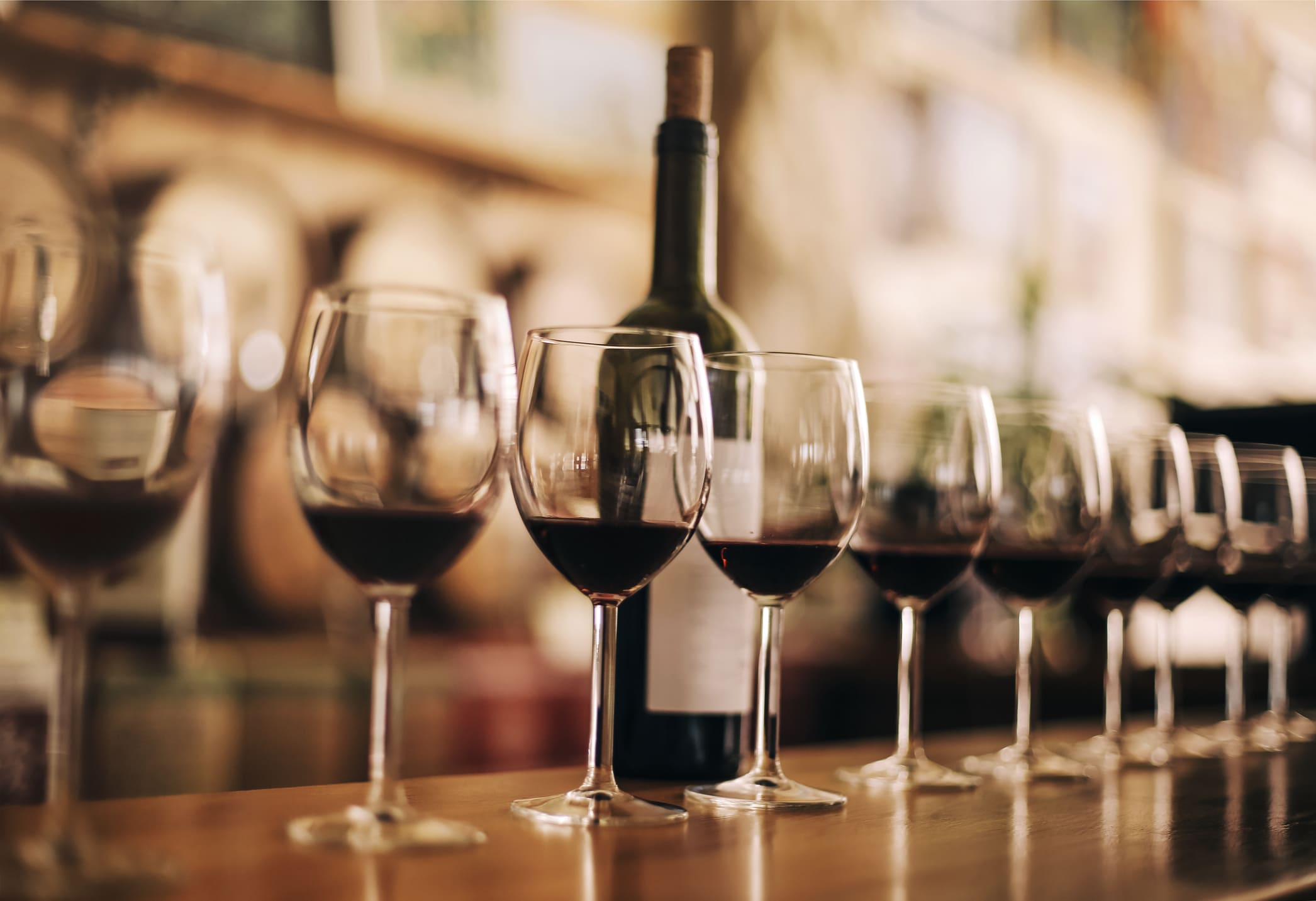
Choose wines from a single producer and vineyard. For example, a vertical tasting of Château Margaux might include the 2010, 2015, and 2020 vintages.
Aim for a range of three to six vintages to keep the tasting manageable.
Focus on wines known for their aging potential, such as Cabernet Sauvignon, Pinot Noir, or Barolo.
1.2 Glassware and Equipment
Provide separate glasses for each wine to allow comparisons without interference.
Use a neutral background or a white tablecloth to better observe colour and clarity.
Include spit buckets, palate cleansers (such as plain bread or crackers), and water to refresh participants between tastings.
1.3 Environment and Setup
Conduct the tasting in a quiet, well-lit room, free from strong odours.
Arrange wines in chronological order, starting with the oldest vintage and progressing to the youngest (or vice versa if exploring how wines evolve backward).
Decant older wines with care to remove sediment and enable breathing.
Serve wines at their ideal temperatures:
-
Reds: 15–18°C (60–65°F)
-
Whites: 10–13°C (50–55°F)
1.4 Providing Context
Prepare a brief history of the winery and its vineyard.
Share information about the growing conditions for each vintage (such as climate, harvest dates, and notable events).
This background will deepen participants’ understanding and help them appreciate each wine more fully.
2. Conducting the Vertical Tasting
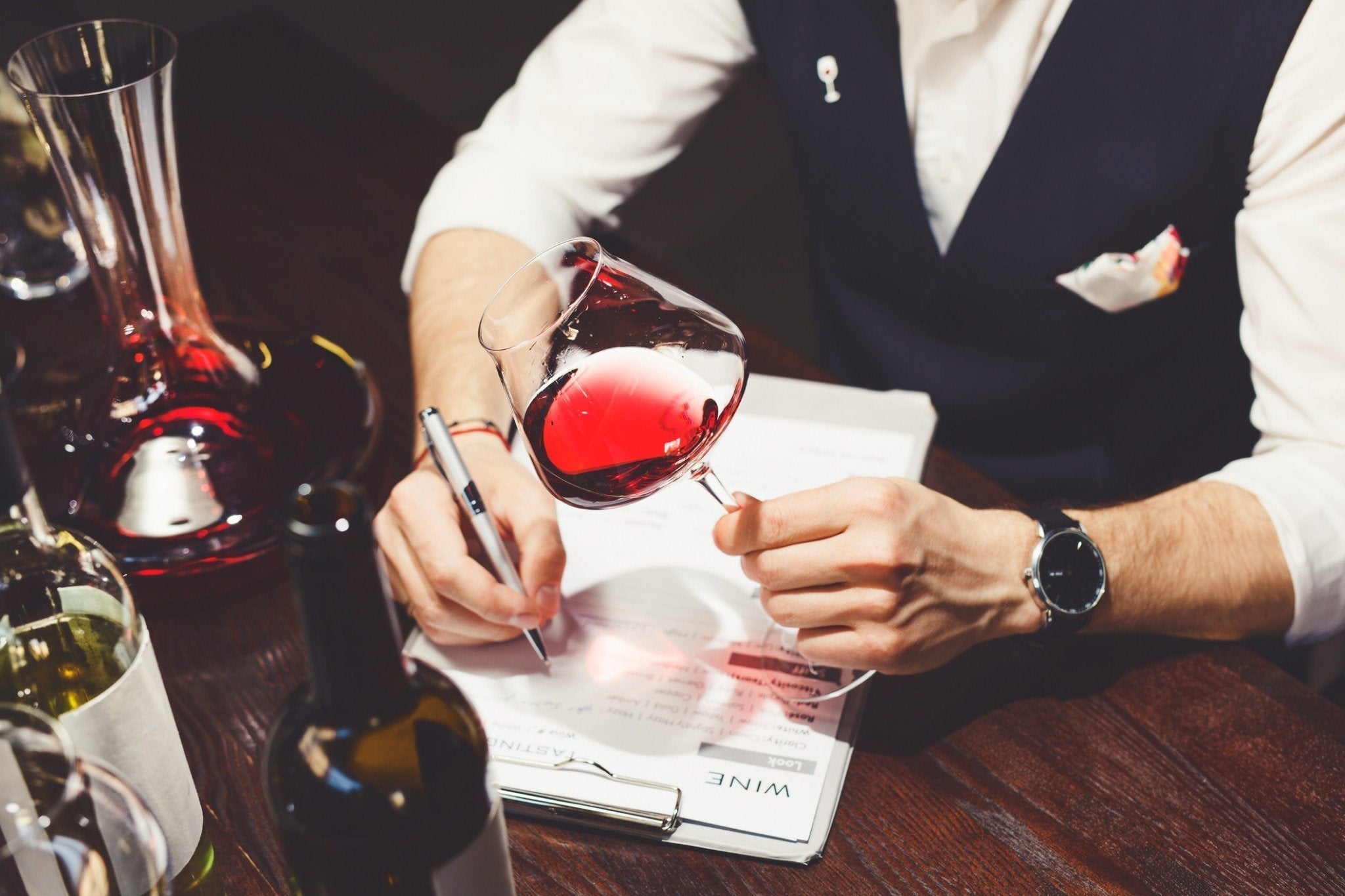
2.1 Evaluating the Wine
Use the five ‘S’s of wine tasting for each vintage:
-
See: Observe the wine’s colour and clarity.
-
Swirl: Aerate the wine to release its aromas.
-
Smell: Identify aromatic profiles, such as fruit, floral, earthy, or spicy notes.
-
Sip: Evaluate the wine’s flavours, acidity, tannins, and body.
-
Savour: Consider its finish and overall complexity.
2.2 Taking Notes
Provide tasting sheets for participants to record observations and scores for each vintage.
Encourage discussion about the differences and similarities between wines.
2.3 Engaging the Group
Lead discussions about which vintage each participant prefers and why.
Pose questions about how the wine reflects the terroir and aging process.
3. The Pros and Cons of Vertical Wine Tasting
3.1 Pros
-
Educational Value: Gain a deeper understanding of how climate, vineyard practices, and winemaking influence a wine’s evolution over time.
-
Exploration of Aging: Discover how a wine develops in aroma, flavour, and structure as it ages.
-
Enhanced Appreciation: Develop a nuanced palate by comparing subtle differences between vintages.
-
Highlighting Consistency: Assess a winemaker’s ability to maintain quality and style across varying years.
3.2 Cons
-
Cost: Acquiring multiple vintages of the same wine can be expensive, especially from renowned producers.
-
Availability: Older vintages may be challenging to source, requiring connections with collectors or specialty retailers.
-
Palate Fatigue: Sampling multiple wines, especially full-bodied reds, can overwhelm the palate.
-
Subjectivity: Participants with limited tasting experience may struggle to identify differences between vintages.
4. Games to Elevate the Experience
4.1 Blind Tasting Challenge
Pour wines into numbered, unlabelled glasses and have participants guess the vintage. Award points for correct guesses and prizes for the best tasters.
4.2 Guess the Year
Provide hints about each vintage’s growing conditions (such as “This year was particularly hot and dry”) and ask participants to match the hint to the correct wine.
4.3 Favourite Vintage Vote
Have participants vote for their favourite vintage after tasting.
Discuss why certain wines stood out and what characteristics made them memorable.
5. Conclusion
A vertical wine tasting is more than just a tasting experience — it is a journey through time, offering a glimpse into the artistry of winemaking and the dynamic interplay between nature and nurture.
While it requires careful planning and a discerning palate, the rewards are well worth the effort.
By incorporating interactive elements and tasting games, you can create an experience that is both educational and enjoyable, leaving participants with a deeper understanding of wine and a memorable shared experience.