An Expert’s Guide to Conducting a Horizontal Wine Tasting
For wine lovers and serious enthusiasts alike, few experiences are as enjoyable as a horizontal wine tasting. Unlike a vertical tasting, which explores a single wine across different vintages, a horizontal tasting focuses on wines from the same vintage but across different producers, regions, or grape varieties.
The goal is to deepen your understanding of the vintage itself and reveal how terroir, winemaking style, and other factors come into play.
Here’s a comprehensive guide to setting up and conducting a successful horizontal tasting, along with its pros and cons, plus some fun games to make the experience memorable and educational.
1. Preparing for a Horizontal Tasting
1.1 Choose a Theme and Vintage
Select a common thread for your tasting. For example:
-
A specific vintage across a single region (e.g. 2015 Red Burgundy)
-
A specific vintage across different regions (e.g. 2019 Pinot Noir from Oregon, New Zealand, and Burgundy)
-
A specific vintage across different winemakers within the same appellation (e.g. 2020 Barolo from five renowned estates)
The common vintage allows for direct comparisons, highlighting differences attributable to terroir and winemaking philosophy.
1.2 Pick the Number of Wines
Select 4 to 6 wines. Too few may limit exploration, while too many can overwhelm participants and fatigue the palate.
1.3 Use Proper Glassware
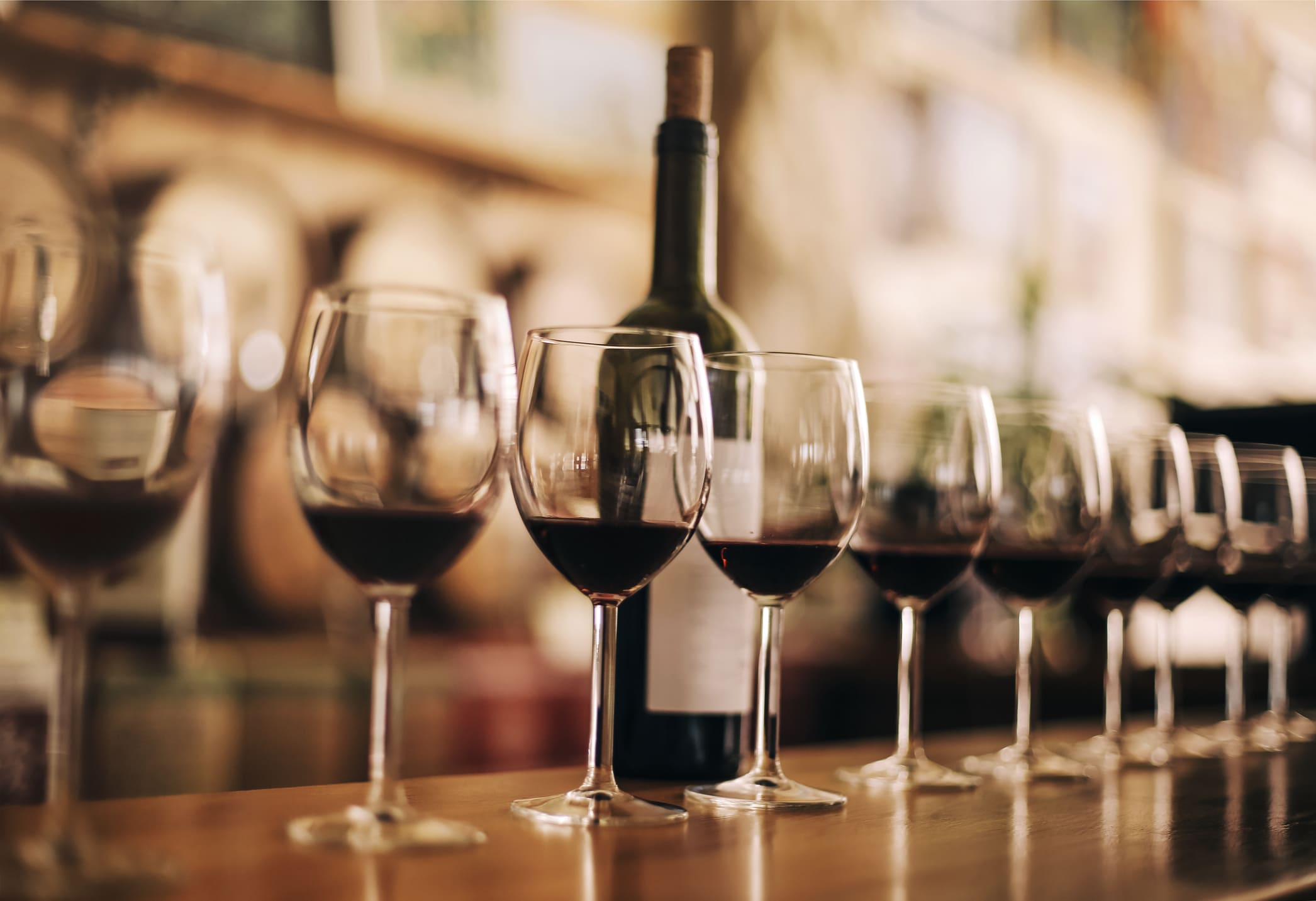
Use a clean, neutral glass for each wine or rinse thoroughly between wines. Ideally, provide enough glasses for side-by-side comparisons.
1.4 Serve at the Right Temperature
-
Light reds: 13–16 °C (55–60 °F)
-
Bold reds: 16–18 °C (60–65 °F)
-
Whites: 10–13 °C (50–55 °F)
1.5 Decant if Necessary
Younger reds or tannic wines may benefit from aeration. Use a clean decanter and allow time for the wines to open.
1.6 Provide Context
Unless it's a blind tasting, offer background for each wine:
-
The wine’s region
-
The winemaker’s philosophy
-
Vintage conditions
This enhances understanding and appreciation.
2. Conducting the Tasting
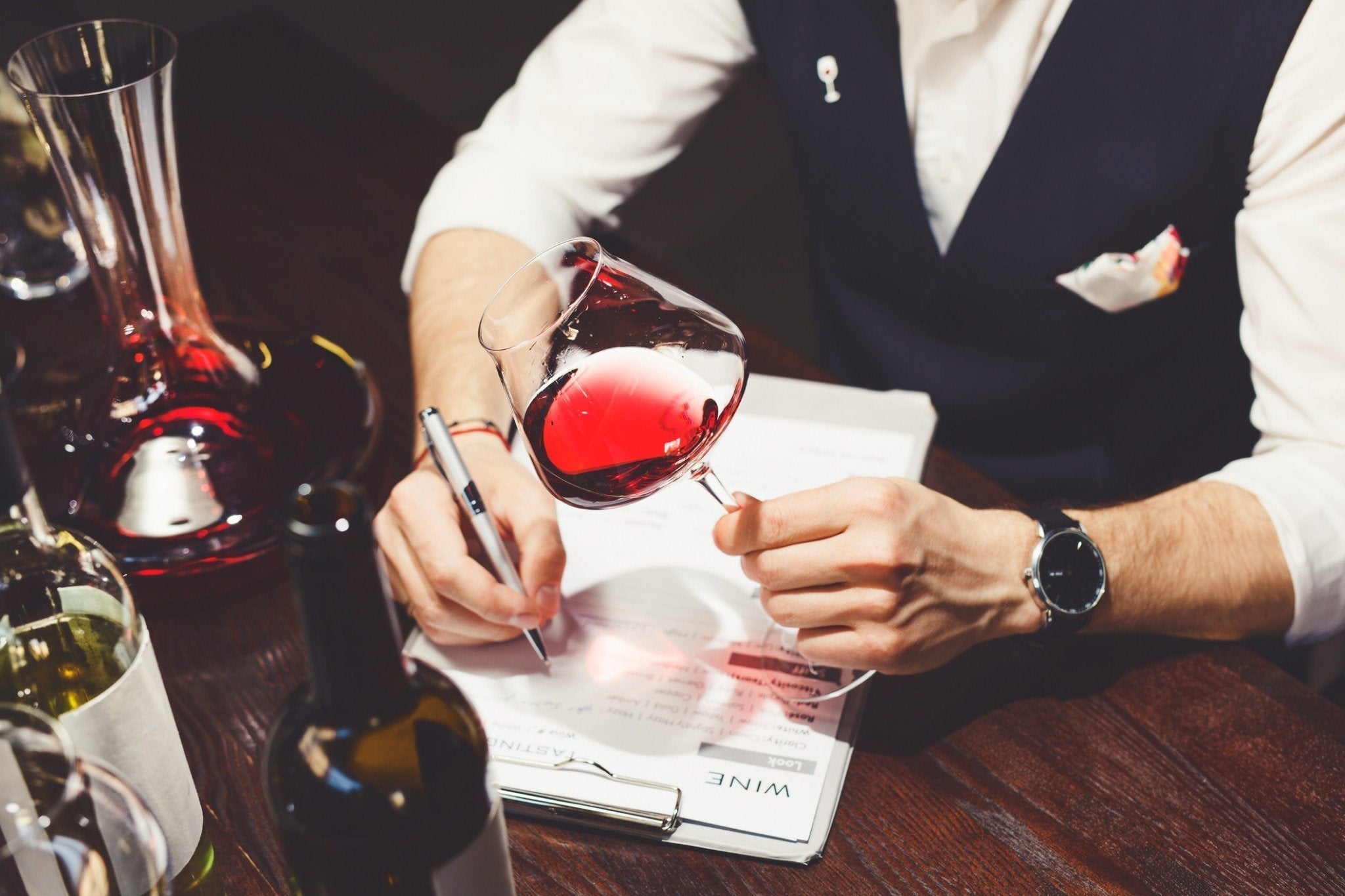
2.1 Observe the Appearance
Evaluate colour and clarity. Differences can emerge even within the same vintage due to varietal or winemaking technique.
2.2 Swirl and Smell
Identify primary (fruit), secondary (winemaking), and tertiary (age) aromas. Expect noticeable differences even within one vintage.
2.3 Taste
Assess structure (tannins, acidity), fruit profile, body, and finish. Share tasting notes openly.
2.4 Discuss
Compare wines. Discuss terroir influence, winemaking techniques, and how the wines evolve with air.
2.5 Score or Rank
Invite guests to rate the wines or pick their favourite. This adds a fun, interactive element.
3. Pros and Cons of a Horizontal Tasting
3.1 Pros
-
Exploration of Terroir: Understand how climate, soil, and style impact wines from the same vintage.
-
Better Vintage Insight: Gain a snapshot of how a year shaped wines across regions or producers.
-
Social and Interactive: Encourages discussion and shared experiences.
-
Ideal for Groups: Perfect for wine clubs, corporate events, or staff training.
3.2 Cons
-
Limited Scope: Only focuses on one vintage, so aging potential is harder to assess.
-
Potential Cost: High-quality, same-vintage wines can be expensive, especially from iconic regions.
-
Palate Fatigue: Too many wines may overwhelm participants.
-
Limited Variety: Some may find the narrow focus less exciting.
4. Games and Interactive Elements
4.1 Blind Tasting Challenge
Pour wines blind (labels concealed) and have guests guess grape variety or region. Award points for correct guesses.
4.2 Point and Score Game
Use tasting sheets for participants to rate each wine. Compare scores to crown a group favourite.
4.3 Guess the Price
Hide the prices. Ask guests to rank wines by perceived price to explore the relationship between cost and quality.
5. Conclusion
A horizontal wine tasting offers a unique opportunity to explore a single vintage across diverse producers, regions, and styles. With careful preparation, a thoughtful theme, and interactive elements, you’ll create an unforgettable experience for your guests.
Not only will participants leave with a deeper appreciation of wine, but they’ll also share in the camaraderie that only great wine and great company can inspire.